 As some of you are aware I have been wandering around since the school year ended. This was by design, mainly due to the fact I didn’t want to sit in my Maine cottage rental until the end of the lease on June 30th. Instead of living that dream, along with the return of the snowbirds and the families that deem "LAKE LIFE" is the only life in June, July, and August - it was far easier to drive to my mother’s in Maryland and begin what has now been almost a month of traveling. I’m a creature of habit so it’s been a bit jarring at times, simply because I’m doing my best to create the same routines I would usually have. Notwithstanding different beds from hotels, motels, apartments, and homes, I have for the most part maintained my sleeping habits. The biggest challenge has been my diet and getting enough fruits and veggies. Funny enough, my pilgrimages to McDonald’s are all but ended and I’m doing my best to remain flexible and gentle with myself. Again, I prefer routines and structures so with another two and half weeks of traveling in Europe, with two plus weeks to follow in Maryland, I don’t get to settle down for another month. I’m sure the Morocco move will be totally smooth, or not. I’m half joking because Tangier will serve as the home base and this nomadic lifestyle will take a backseat. I wish I could say I’m not weary, but this morning waking up on a hotel bed that did nothing for my spine, and the fact the birds weren’t serenading me, but the drunk people yapping away on the adjacent apartment balcony - reminds me of the need to find that happy place. Instead of taking a train today, I’m living the bus dream, and then having to check in at an Airbnb where it’s hit or miss on how serviceable the home for the night will be. The owner has already shown some douchebag tendencies so I can't wait. I'm sure it will be more interesting than the Airbnb owner who came over at eight in the morning to see if I had left already. As opposed to simply sending a message and checking in on things which would be so less passive aggressive, the owner left the outside key lock with the correct code wide open for me to discover. Only then did I discover a formal Airbnb message to let them know when I was leaving. Just think, I thought checkout was at eleven . . . In honor of my continued travels, here are some random travel highlights prior to Poland that are worth sharing.
0 Comments
 For the many people that live in my part of the world, Memorial Day weekend marks the beginning of the summer season. Sure we are still in the middle of spring with flowers and trees waking up from their winter sleep, but between the arrival of caterpillars, flies, mosquitoes, and tourists, the warmer weather will be here to stay. As the snowbirds and their traveling posse show off their tan legs in their white shorts, floral pants, Hawaiian shirts, and flower dresses, we all tend to take advantage of this seasonal shift, knowing that in less than four months preparations for another winter will take priority. Temperatures tend to amp up in the coming weeks and before the calendar marks the summer solstice we are going at full capacity. We will see school end and students shipped off to their favorite overnight camp. The city elite will become weekend warriors at their second homes and boats will roar across pristine waters many loons, eagles, and hawks call home. It’s a beautiful time and yet it can be a disruptive one as well. There’s more traffic, more motorcycles, more Jet Skis, more inconsiderate people, and restaurants that are understaffed and overbooked. Always wanting to buck the trend, I’ll be hitting the road this summer season. I won’t stay long enough to enjoy the madness that can be a New England summer. I’d much rather be in the Mid Atlantic, out west, or for that matter overseas. To that end, over the last few weeks I have been busy planning the logistics to my summer travels with the hope that the time spent doing so will pay off when I’m on the road with two bags, my Chromebook, and my running shoes. I’ll be the first to admit my Poland trip requires more navigation and planning. It’s easier to take the trains and buses and far more inexpensive than renting a car and crossing the countryside. And yet one is at the mercy of a schedule and which train goes where and when. I’m hopeful that my exploration across the cardinal points of Poland will be well worth the effort or at least worth a few decent stories to share. Apartment rentals have taken priority over hotels, even though I love the idea of an included breakfast. Nevertheless, apartments can be cheaper and they have washing machines which means less clothes to pack and for that matter, the ability to cook meals at home. This is a great cost saving measure and quite the contrast to my drive out west that proceeds my international travel. Driving from Maine to Maryland and then across the country to Arizona, I am still debating on two different routes. Originally it was three, but a drive to Marco Island, Florida for one day to spend on quiet beaches doesn’t seem worth the effort or the cost. Instead, I think it’s going to be a flip of the coin on whether I head on Route 70 or Route 40. I can go through Ohio or through Tennessee. Both feel like forever, but I can tell you I’d rather be driving on a highway crisscrossing fields then the up-down hilly route that scares the heck out of me when a summer t-storm moves in. I know I’ll be in Dodge City, Kansas on either route and then I will swoop down on what remains of the infamous Route 66. Unlike my Poland trip, I’ll see where the open road leads and how far I want to drive in a given day. The beauty of a drive is that everything can be more spontaneous and off of feeling. What’s truly important is remaining present and enjoying the world before me. I’ll check in here when time allows for such sharing. In the meantime, may your summer season, your summer travels, your summer existence be filled with sun, fun, and perspective. 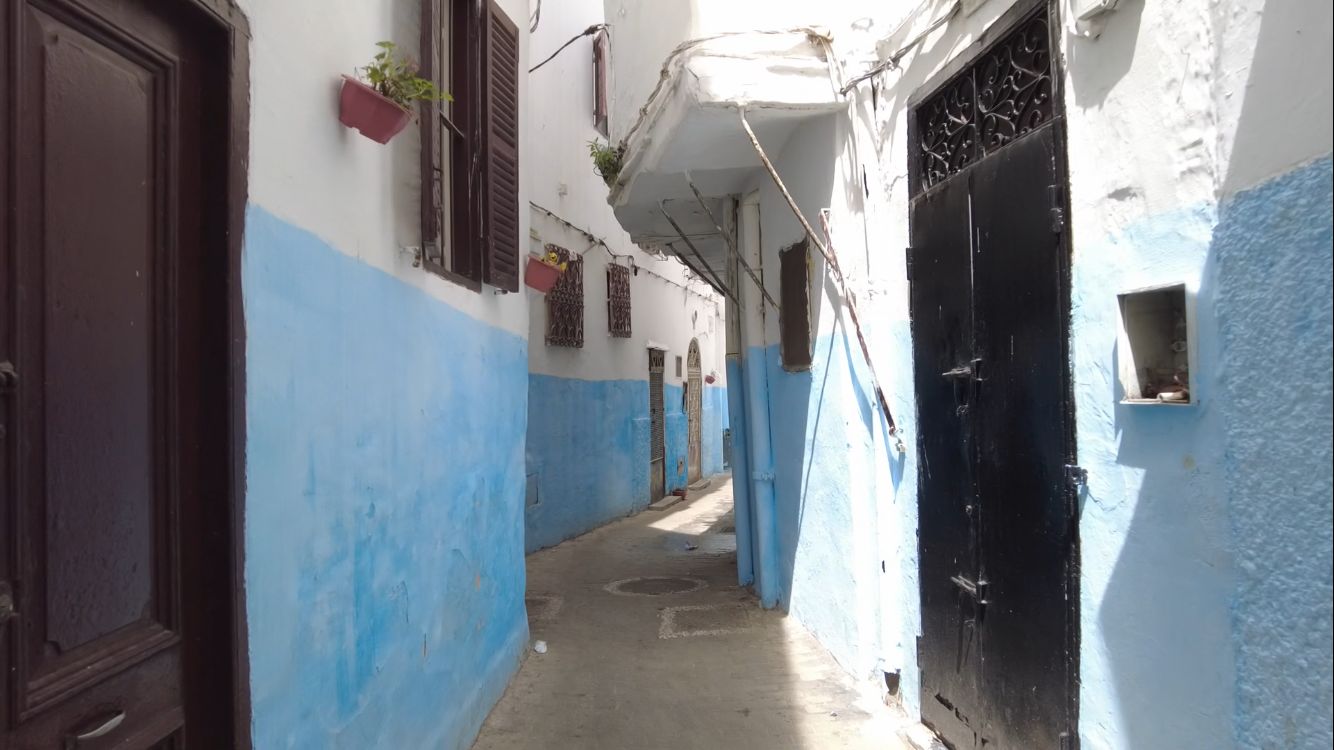 Two weeks ago I did something I never thought I would do . . . well wait, let me back track for a moment. When I was living in Poland I never considered the idea of traveling to North Africa for any school vacation. Absolutely not. I was always focused on Central European exploration with a touch of Baltic and Balkan adventures for good measure. When coworkers mentioned crossing over to Morocco from Spain, I thought they were crazy. Part of this was from a lack of proper information. Whether it’s from local media or word of mouth, Africa is scrutinized wrongfully and there are so many stereotypes, preconceived notions on why it’s not safe to travel - even to Morocco which has been Washington’s longest friend. One would think I might have overlooked this bias long before, as my father and stepmother had made the journey years earlier. They explored the entire country and absolutely loved the experience. Still, I think as an introvert by nature the idea of crowds, especially in markets, rubbed me the wrong way. Just walking in the medina on those narrow streets and paths, not always well lit, is not that appealing at first thought. I couldn’t even fathom being approached by people. Granted, I should have used my Star Wars geekdom and been like - Morocco, isn’t that where they shot all the desert scenes? That would have painted a different picture. What about those food dishes Anthony Bourdain showed? But instead of focusing on those positive interactions, fear took over, especially in my younger years. It wasn’t until several coworkers made trips to Morocco and returned with positive experiences that my mindset began to shift. If they could make the trip, then I would be fine. The shift continued when a friend and popular traveler blogger made a similar journey with her boyfriend. From their pictures alone I knew this would be a place worth visiting. Fast forward to the present and I made a whirlwind trip to Tangier, Morocco. It wasn’t long, only two nights and only a day and a half of exploration, but it was enough to wet that proverbial whistle. There’s something about the area that draws you in. Even with the crowds of people wandering the markets or the narrow alleys and passageways of the old medina there was a familiarity about the place that I enjoyed. Perhaps it was the fragrance of spices that filled the air or the numerous cats that ruled the streets. I’m not sure exactly, but when I reached the casbah and looked out onto the Atlantic Ocean that sense of freedom and beauty was magical. Was this truly the spot where Hercules came to die? Was this where he divided the mountains so that the Atlantic Ocean and Mediterranean Sea would meet? To say I was being pulled in and enjoyed this new energy would be an understatement. Whether it was people watching or walking by beautiful mosques, the churches, and the different shops and street side cafes, I was brought me back to the 14 year old writer who started a story about the blowing winds of Abydos. I couldn’t tell you today what the story was going to be about. I think there was a young boy who was going to find his way out of such a place, but I don’t remember. What I can recall is the student teacher who tore it to shreds because it was only an introduction. I spent ten pages painting the setting, the streets, the markets, everything - setting the mood on how the environment was alluring, yet a challenge to navigate. The writer in me didn’t return to such a setting until after I lived in Brindisi. And yet that was still a different mentality, a flavor all to its own. You can read it for yourself in The Varissian Affair. Then again, that’s a science fiction book and I made Brindisi an alien world. For me, living in that part of Italy felt like another world at times. My landlord called it North Africa because of the constant wind and sand finding its way to our southern port. What I remember the most, was the slower pace of life. Even not knowing much of the language, I was able to observe and see the nuances of daily routines. I imagined the same in Tangier as I walked around and became more familiar with the area. Within a few minutes I could see why so many writers have found their way to this wondrous city. I hope to return for more new experiences. This trip to Morocco was more than I expected, in a good way. For the traveler in me, it was good to get out of my comfort zone and my preconceived notions. As an introvert I was able to navigate and grow more comfortable with each walk and conversation. My favorite memory of the trip wasn’t exploring the streets, markets, or venturing down to the beach. It was something rather simple. It was a late night meal where I stopped off at a side vendor who was staring at his cell phone waiting for anyone to step in to his kiosk for a snack. There were three stools and one countertop to the right. The other side was his prep area with a small gas stove top with two burners and a fryer. I asked for a burger and grabbed an Orangina - thinking that would be enough to quench my thirst. I took a sip and watched as the cook, waiter, and greeter - the “all in one” attendant began to prepare my meal. He turned on the stove top, took out the slab of meat, and went to work. Two gentlemen appeared from the shadows. They exchanged pleasantries - locals I’m sure. It was fun to watch the exchange as one wanted a croquette that was maybe twenty cents. He fumbled with his change and the cook motioned him to not bother. The act of generosity made me smile as I watched him put three croquettes into the fryer. I took another swig of my cold drink and wondered when it was the last time I ate past 8 pm and at a venue many of my family would consider a dive at best. I felt like I was in an open market Waffle House. Even in the poorly lit street, among the many partisans doing their evening shopping or grabbing a meal, it was a calming moment. I was at peace. The cook and I managed to figure out what additional toppings I wanted added to his Moroccan burger. He then spread several sauces onto the toasted buns and prepared an egg that was carefully placed over the simmering meat. Unlike in the USA where we would decide what temperature I wanted the burger - I sat back and watched this man work his magic. Fresh cut fries were added and within a few minutes I had a beautifully prepared meal waiting for me. We can talk about how it was only $3.80 or we can focus on the fact that for the first time on this trip I felt a sense of home and relished every bite. This wasn’t a sense of being back in Maine but one that comes from being in the right place at the right time. Between the ambiance, the smells, the taste, and watching this man do his job to perfection, while still carrying on a conversation with his cohorts; it was a great moment to be part of, one I’ll never forget. I can’t decide what’s more exciting, planning the trip or the actual traveling. Maybe it’s more a matter of my mood at the time and what stressors I have brought to my current country, place, city, whatever. Truly, many of us don’t have the luxury of long trips or Hollywood caliber adventures. We are faced with tight budgets, figuring out whether one location or another is better for a weekend retreat, or if we should stay at home and save money for a longer excursion in the months ahead. Some might question the amount of research I do, especially as I walk around and vlog, often oblivious to the importance of a random statue or location to the local population. While at other times, I seem to be the most informed person in the area. Part of this has nothing to do with the trip, but simply the amount of time I have prior to a journey. For many travel vloggers and bloggers, the weekend adventurer types, we only have so much time in a given day. Usually, mine is focused on the day job, which leaves only enough time for me to get a general idea on where I’m going and not much else. I have to admit, I like this part of traveling. I do enjoy being informed about an area, the history, and where to go and eat, but at other times it’s fun to get off a plane and just go with the flow. Or maybe it’s not necessarily fun, but it certainly allows one to gain more appreciation for details and for different experiences. That’s what happened last week when I was in Spain. I didn’t do any research for Madrid, save how do I get from the airport to the center of the city? I figured those logistics would be the most important as I didn’t want to stay at the airport the entire time or necessarily get ripped off in my first few minutes in the region. And yet, even being informed, I was annoyed with the schmuck working the ticket machines. He forced himself on the uninformed tourists to get a few euros for pressing buttons that I otherwise could have done without his guidance. I far preferred to pay the English speaking information desk for a multi day pass, if it meant that guy on the machines would scam one less person. Truly - that’s how my mind worked in that brief exchange. There should have been a sense of relief once I stepped on the train, venturing towards the center city. I didn’t have any though, because Madrid threw me for a loop with a train network and information system that was clearly meant for locals and not for the many tourists who frequent the capital. While in Poland I could easily look at a map, hear stops called in both Polish and English, Spain doesn’t bother with anything outside of the native language. Sure, that’s okay, I get it. We do the same in the States, but not clearly identifying which train goes where and the accompanying stops is a giant pain in the ass. Out of every location I have traveled, Spain was a nuisance and confusing. We don’t even have to get into the fact that the airport is not easy to navigate with multiple terminals that are miles apart. As a seasoned traveler, they didn’t sell me on wanting to fly back into that mess again. Now let’s focus on the positives. Once I was in the city, settled in my overpriced single room, it was time to explore what I could in the few hours I had allotted. Simply stated - Madrid was respectable, but not worth a future effort. If I hadn’t had an overnight layover for my next flight to Morocco, Madrid would have remained off my to-do list. I wonder if there are other parts of Spain I might gravitate towards, but the capital city, not so much. Did I enjoy exploring the side streets, going into different churches, and seeing the cafe lined streets? Sure I did, but I didn’t like the Western European prices, nor did I like how crowded it was even on a Monday night in April. Part of that is city life, but the amount of cars clogging the city streets, made me flashback to Boston and other American cities where traffic noises dictate much of the experience. I’m sure others gravitate towards this place. There is an allure with the decor, the restaurants and city squares where one can sit, have a beverage, and people watch. For me, it was nothing more than a stop over. I can check off the box for visiting Spain and can focus on other countries, other hamlets that pull more to my introverted soul. Granted, I imagine if my hotel room was cheaper and even the meal I ate was more reasonable, I might be swayed to think otherwise. Then again, I was only in the city for a night. An entire weekend would have made me feel more disgruntled and wondering what better ways I could have used my allotted travel budget. This is why we travel though, to experience new places for better or worse. Some resonate, while others do not. If you like a place, you go back. If you don’t, there’s more than a few to choose from. Till the next adventure . . . 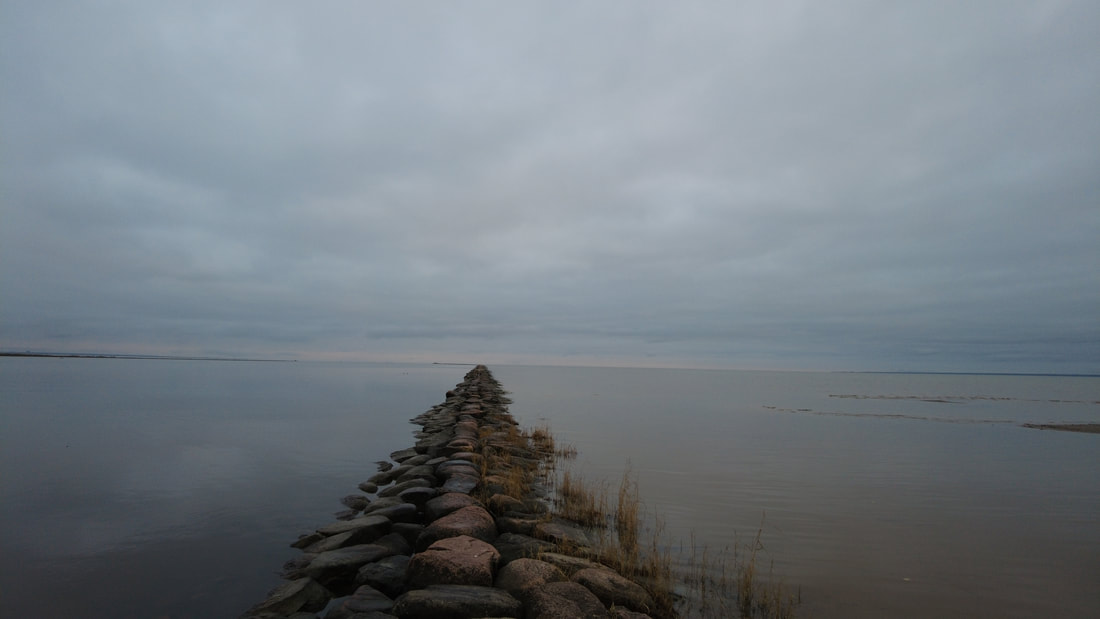 While traveling in Latvia and Estonia, I wrote the blog posted below. From my early teens I dreamed of visiting this part of the world. After many delays and life events, it wasn't until I was teaching in Poland where I finally had an opportunity to check off this proverbial box. And yet, was it a perfect trip? Did this life long dream meet my expectations? Or was it just another time for perspective, for processing the ups and downs of life? See what I wrote and enjoy a few pictures. From October 2022: The uneasiness I felt in Riga dissipated the moment I got on the bus for Estonia. Within minutes of leaving the city center and getting out into the countryside, I wondered if I was making a mistake leaving early. Truly, I knew it was the right call. These lakes and wooded vistas of Latvia were nothing more than a tease of what I thought I was getting myself into. Instead, I was plagued by city life and all that comes with. Not even forty minutes onto the ride, the farther we drove away, what stress I had felt was all bought gone. Instead, I settled into some journaling and reflected on what had gone wrong for the first part of my trip and with everything else in life. I know that’s a heavy statement and overly dramatic to put out there, but truly I believe when we are faced with adversity other moments of similar angst rise to the forefront. When all one can do is sit in their comfy bus seat, play Angry Birds, and ignore the stench of body odor and a clear beer detox episode from my fellow passenger and seat mate, these thoughts force themselves to be processed. I had two hours to kill, to see what I could better understand to make the rest of the trip a more productive one. Pärnu is a beautiful beach town. While this might be the fourth largest city in Estonia and it’s former capital, to me it’s just a large town of forty thousand souls. For that I was grateful because it was easy to navigate and designed perfectly for walkers, runners, and bikers. Even if I tried, which I did, I couldn’t get lost within the city limits. Where with Riga I felt like another body; in this hamlet, I felt more at ease with nature and the beach that beckoned. Still even with this more relaxed atmosphere lingering thoughts came into my head on why this trip had this up/down feeling. Then it struck me over dinner, that I had no one to share this trip with. Aside from my video camera and friends and family I texted, there was no other physical presence to experience this reality. To be frank, that was a challenge. This was the first trip I can remember feeling out of sorts with my traveler of one status. I share it freely now, because many people travel alone. We all don’t have the luxury of travel friends or a romantic partner that we can tolerate enough to venture out to other parts of the world. To that end, when any unsettling experiences arise, all one can do is rely on themselves. It’s easier said than done. While I loved walking the quiet streets and commenting on the varied buildings and architecture, I would have preferred to have spoken more on the history of the region. Obsessed with all things Estonia since the early 1990s, I was game to share my knowledge of what the transition had been like after the fall of the Soviet Union. Moreover, talking about what life was like as an independent country prior to communism would have been a worthwhile conversation. Despite these best intentions, I remained stuck in my head. Having suffered in a way with the city life of Riga, I became that little boy from Brentwood who simply wanted to feel like he was back home riding his bike in the woods. The remainder of the trip was focused on rebooting the system and grounding myself. Part of this reboot was a continued connection to the water. It didn’t matter the time of day, the weather, or the temperature; I kept walking the same section of beach waiting for that cosmic wink that things would be okay. Some might tell you being alone is a state of mind. Some might even be envious of a trip without any friends or family to consider. And yet standing out on the shoreline looking out at the vastness of the Baltic Sea, I was reminded of how dreams change and in the future it’s better to not force things. The fact during my previous teaching stint overseas (five years earlier) led to three canceled trips to this region should have told me something. It’s not necessarily timing, but perhaps divine intervention saying there are other places to be that will resonate more. I laughed thinking back at the previous trip I canceled and how instead of traveling I bunkered down in my Brindisi apartment and wrote most of the first draft to Valo in a one week period. On this trip, I had intentions to write, to dive into National Novel Writing Month and instead I can report that the journal I wrote in daily, basically to process my thoughts of loneliness and questionable dating past, was left behind on the Lux Express bus I traveled on from Estonia back to Riga. Talk about a wink that this wasn’t the area for any writing, let alone for any meaningful writing to remain in my possession. Don’t get me wrong, I enjoyed this portion of my trip. There was peace in the air and even though I didn’t see the sun the entire time, feeling a closeness to the water was all I really needed. Returning a few days later, I felt relief that I could finally move forward and check off these Baltic boxes. Neither trip was what I had expected or planned. Then again, I needed downtime to process some deeper thoughts, to move on from loss, and to realize that sometimes the best vacation is either one spent at home or among familiar things. Traveling is said for many to be a way to see new locations, try new foods, and experience different cultures. For me, while that might be true at some point, right now it’s about finding that sense of home and familiarness in a toxic world that is continually a challenge to navigate. Here’s to the next trip being a better match for my current state of mind. 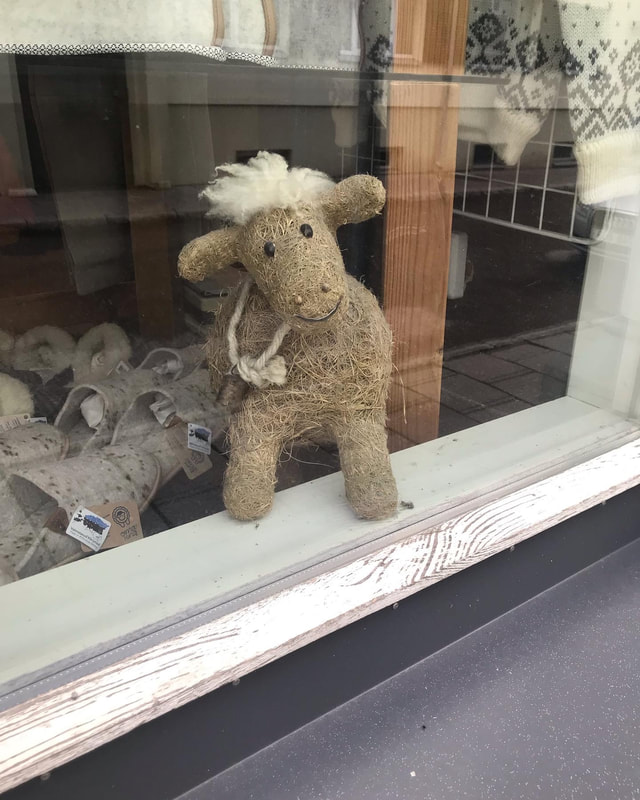 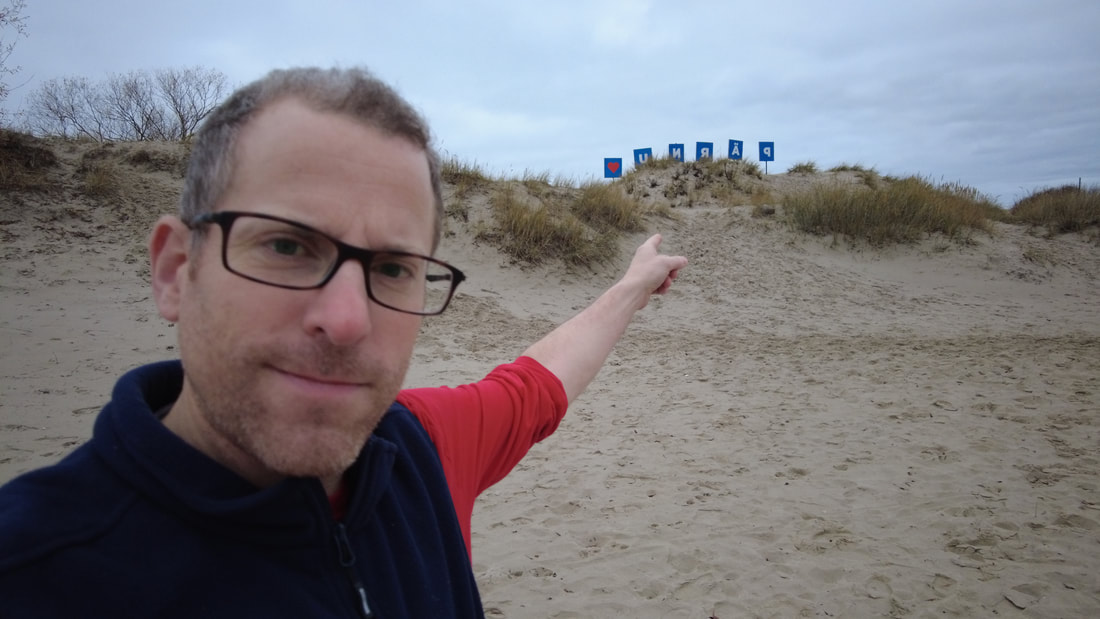 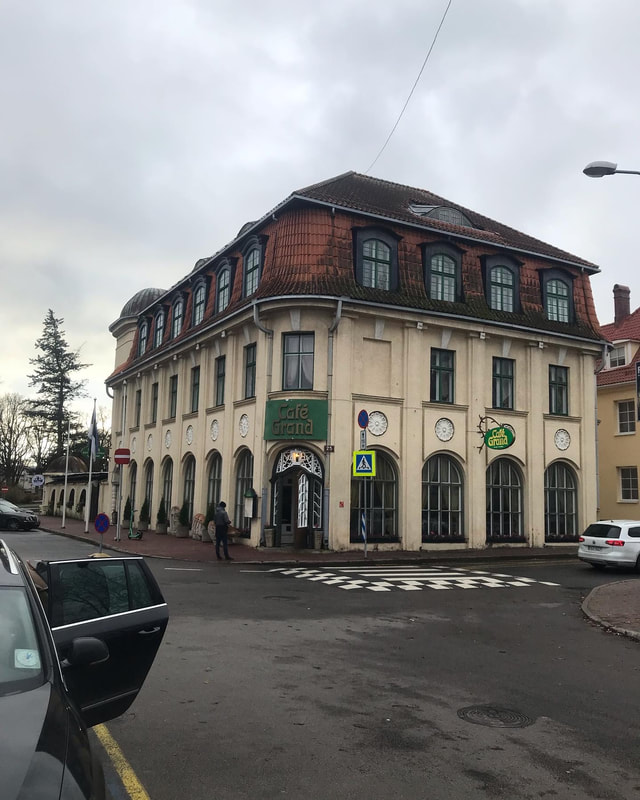 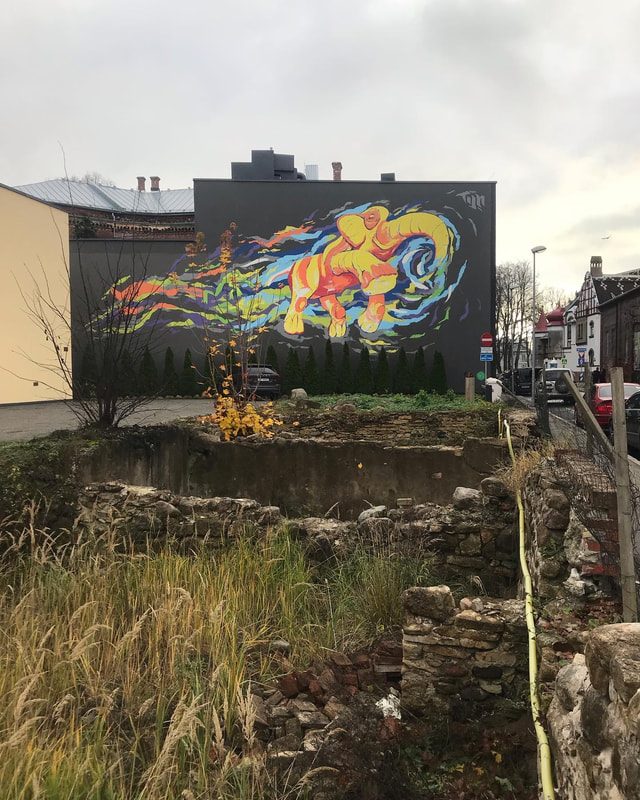 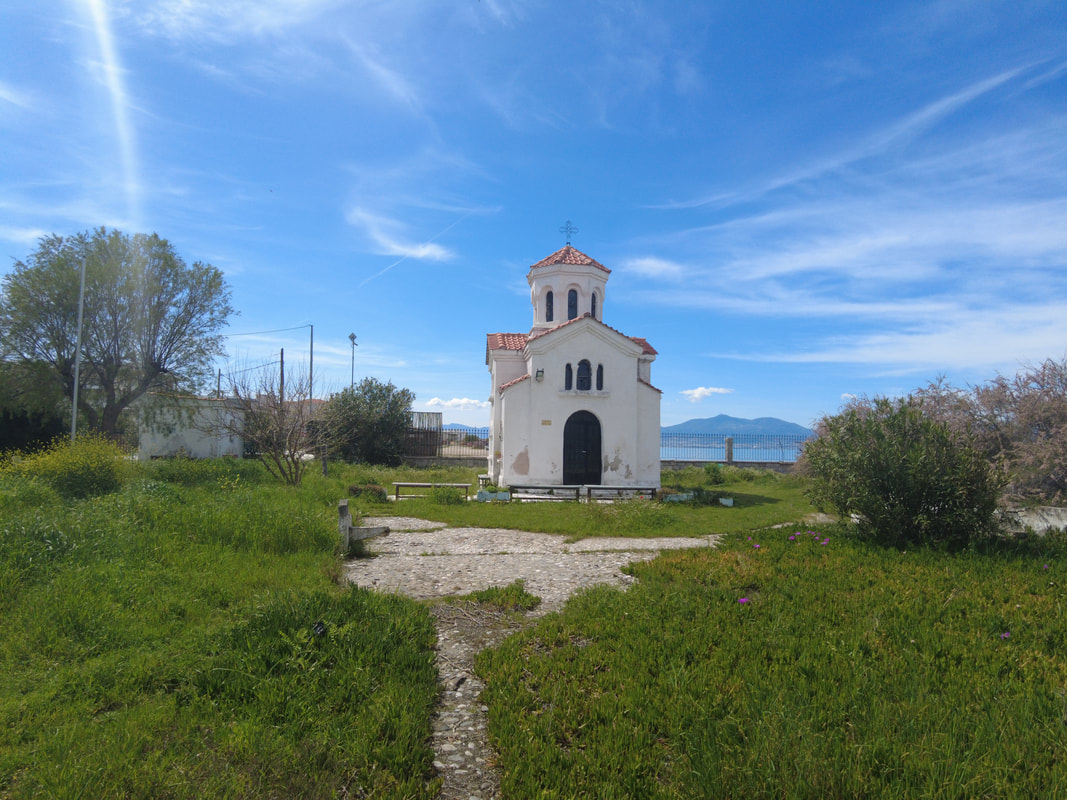 For the last 19 years this day has brought new meaning to my life. Prior to 2005, this was the season meant for taxes and for my sisters shared birthday on every Americans' favorite holiday. As many of you know, life tends to take over and while their birthday remains, the day after - the 16th of April has become a holiday on to its self, one where I reflect on my mortality and the loss of my dear twin. We all lose people we love. I'm not objectifying my loss to be more than yours or of a higher value. I would say for me I dread the lead up to this fateful day and the rush of memories and emotions that seem to play out every, single, year. Last year I celebrated Stephen's memory at a small seaside village outside of Thessaloniki. Greece. When this is published, I'll be in Spain doing the same. I like to think he would be supportive of this new tradition, traveling to a different location, to see and experience something new, while embracing his memory and all that he was to many in this world. I get emotional thinking about his loss and how different life might have been for not only me and my siblings, but my parents, and his fiance and unborn child. Death brings a storm and how we weather that experience, truly impacts that season of living until the next tempest arrives. While I take moments to honor his life, I can't help but reflect on his generosity, his carefree spirit, and the love that he shared unconditionally with so many. He was a model for me and others in that way, so much so that he reminds me still on how to take a moment and see what you can do to create positive change. One lesson that I took from Stephen more than any other was being generous and helping others. I'll leave you with this short story from a previous blog I wrote on my first trip to Ireland. On a side note, I still believe the trip to Dublin was more about him seeing the sights than me. I'll let you know one day when he and I meet again to compare notes and whether his soul was living vicariously through me on that holiday weekend excursion. From November 2022: There was a point in the walk to Bull Island where I intended to share a short story but between the wind and the run in with the Easter Island statue, I dropped the ball entirely. My apologies. With this being the holiday season, especially with Thanksgiving underway, I can’t help but think how important giving is in all our lives. Many struggle this time of year, far more than other times. Some are lacking in basic necessities, others are without emotional or physical support. I don’t need to jump into war torn areas, where we know the need is great, but as I look outside the door and those I pass on a daily occurrence, I have no other recourse. As a teacher in New Hampshire, I saw first hand how school districts support those who don’t have enough food, clothing, or even shelter. Here in Poland it’s a bit different. I know there is a need but I don’t know what channels they have to provide. The number of Ukrainian refugees living here clearly shows that Poland is a country that embraces a giving mentality. Many Polish families welcomed Ukrainians into their homes with open arms. They allowed them a place to stay until a suitable arrangement could be made during this trying period. Even now the country continues to support Ukraine in whatever way it reasonably can. Back in the States, many live in a bubble. I know I did until sixteen years ago when I transitioned out of the Navy and went back into education. I remember gathering what belongings I did have in Maryland and finding to my surprise that my favorite fleece blanket was gone. I looked around the house, in every drawer, closest, and box. The unicorn blanket had been a keepsake since middle school and a favorite of mine. I didn’t take it to South Carolina or Florida for fear of it being taken or lost, let alone knowing the blanket couldn’t be brought to boot camp or training command without an ample amount of ribbing. To say I was bummed, was a bit of an understatement. When it came up in conversation at the dinner table, I found out why the blanket was gone and how. Stephen in his overly generous nature had given it to a homeless man in Washington DC. My first thought was you gotta be kidding me. Why did he take my favorite blanket? He didn’t donate his Grizzly Bear fleece but I guess anything that wasn’t my twin’s was fair picking. That’s exactly what happened. All said, some clothes, a second blanket I overlooked, and the unicorn fleece were all thrown into Stephen’s truck and delivered to a homeless person he saw near the Days Inn in downtown Washington. I couldn’t be mad since it was for a good cause, but I found it fitting that my twin had only given up my belongings. I can hear his voice, “You weren’t using them.” From what I gathered he did this multiple times. It was sort of a funny joke in the end because Stephen had passed eight months earlier and I could hear him rationalizing his giving even without having a formal conversation. This was the same guy who after the Red Sox won the World Series in 2004 said he was changing his life because if the Sox could come back from being down 3-0, then he could do anything he set his mind to. Sadly, his own personal quest ended far too soon, but his legacy and the lessons he provided continue to this day. At the very least, I know my blanket found a good home. In Dublin, this specific memory popped in my head after I passed an old woman. Let me back track, this memory didn’t show up until a few hours later on the return walk to my Airbnb. The first time we crossed paths, she was up against a derelict building door. She mumbled something probably in Gaelic and held up a paper cup. I waved slightly and carried on, more focused on finding Bram Stoker’s Park and his childhood home. A typical American, I blew by her but not fast enough to lose sight of her condition and to see the whites of her eyes. She was barely sitting up and if not for the wall, I’m not sure if she wouldn’t be on her side. How she got to that spot, I couldn’t fathom, but at that moment I also put her out of my mind. In Riga and now here in Dublin, seeing people in hardship pulled at my heartstrings, but I knew I couldn’t give to everyone I saw. There was no way to tell who was truly in need and who was putting on a show. Maybe that’s jaded, but it’s also the truth. Three hours passed and I was cutting back after my tour of central Dublin. There was the old woman with the squinting eyes, still against the wall. A light blue fleece blanket was wrapped around her legs. I’m confident there wasn’t one the first time we crossed paths. Again she spoke and I gently shrugged and smiled. Several seconds passed and I kept walking. I felt for my wallet and wondered how much cash I had. I knew I didn’t have change and anything less than a significant bill. About that time, when I was rationalizing why I shouldn’t stop, Stephen and his unicorn snatching deeds came to mind. Possessed by Stephen’s memory and what was the right thing to do, I turned around. She didn’t see me coming as her back was turned. I tapped her on the shoulder. She lifted the cup and I shook it off. Slowly I knelt down and handed her the bill. Tears filled in her eyes and she spoke in Gaelic. I’m pretty sure I know what she said, but we’ll save that for another story. We didn’t have to exchange another word. I saw the angel looking back at me, a woman who hadn’t always been this way, who had a long life up till now, but had fallen on a rough time. I felt what she felt and knew this small gesture would help her more than it would me in finding another place to stuff my mouth and fill my stomach. I walked home hopeful for the old woman. More importantly, I was thankful for Stephen, his memory, and the lesson he taught me years earlier. In this season of Thanksgiving it doesn’t matter how much you give, but that you put yourself in the right place to help those in need, in a way that truly serves. If you happen to see a unicorn fleece blanket, do let me know. 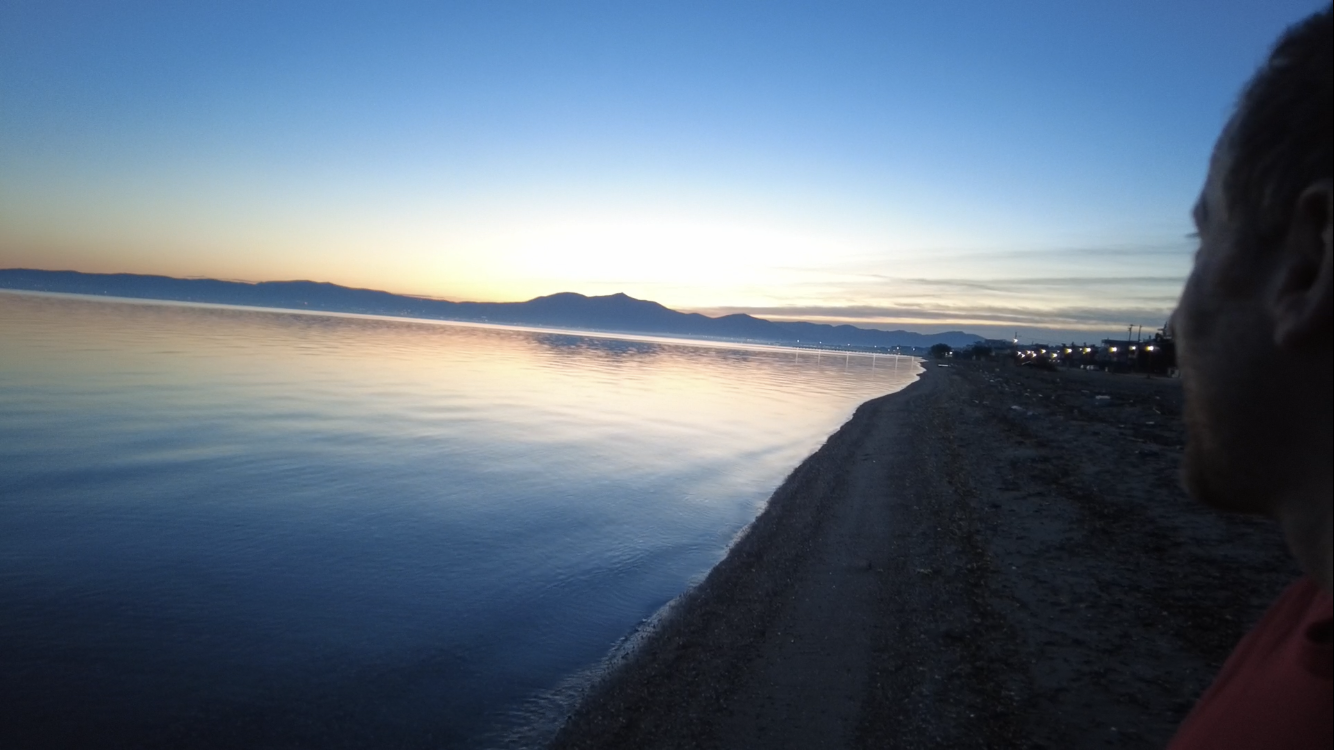 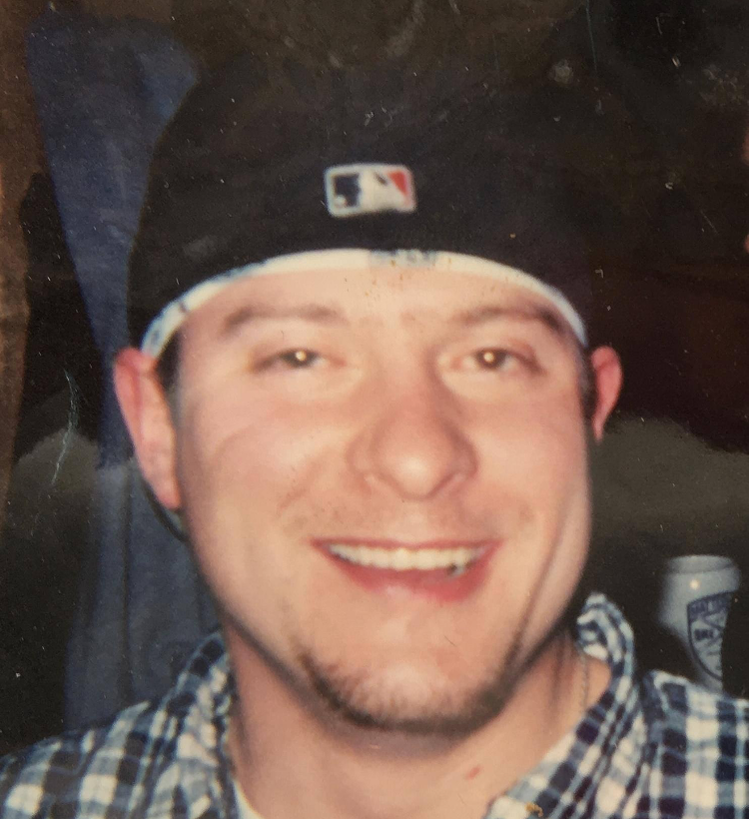 An angel to many - Stephen 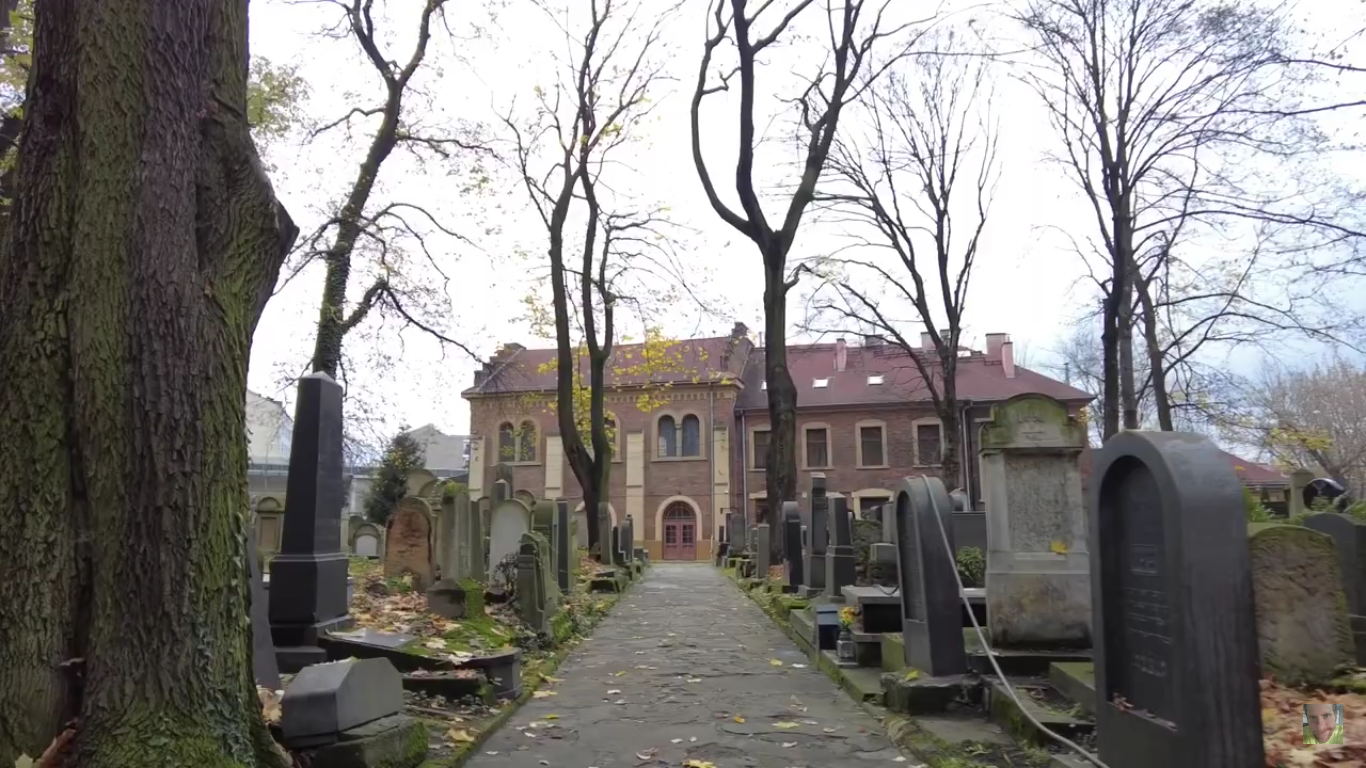 The New Jewish Cemetery in Krakow is a relatively tourist-free area. Tucked away between a major shopping mall and a construction zone for the new train route, it’s off the beaten bath. I discovered it back in late August 2022 when I ventured into Kazimierz. What was intended to be an afternoon walk to figure out where different side streets went and if there were some special running routes I had overlooked, I found myself before the iron door.
I forget which Saturday I found my way to the gates and even more what I wondered as I stood there trying to catch a glimpse at what lay out of sight. The Jewish Sabbath forced me to return a day later and I was not disappointed. Not only did I find the place to be an undiscovered gem, but I enjoyed seeing the history before my eyes. Cemeteries general speaking are not the biggest draw. Many go to pay their respects to loved ones and friends who have gone before them. Others go out of tradition, to see several generations of family. And yet, there are others who are curious to travel in these hallowed grounds and to learn and see what they can better understand. I go simply to feel the energy, to get a glimpse of the past, of those that have walked before me and the connections those individuals made. While I didn’t recognize any names at this cemetery it brought me home, a recurring theme of late in my life. Walking in solitude and yet feeling part of the community, where thousands of graves harmoniously welcomed me into their place of rest, there was peace. Not kept up like other cemeteries, the overgrown bushes and unkempt shrubs provide additional blankets and pillows for those resting eternally. They also create a mood and a wink that this place is special and not to be overlooked. Especially meaningful to me, with every step I took around the perimeter, was the thoughtful creation of the walls - a menagerie of old tombstones plastered together, where the memories of the departed stand watch. Whether out of necessity to rebuild the cemetery after its World War 2 desecration, or simply as a meaningful way to utilize those stones that were too badly damaged to be preserved, it feels right to be guided along by this wall of names and dates. While one can get lost in the many twists and turns and the countless memorial markers, the serenity in the place is what gets to me most. I’m drawn to the trees that provide a canopy of cover from the sun and rain. I’m drawn to the methodic sound of my footsteps over the partially cobbled grounds, and to the fact I can let myself drift to other places, that is if I don’t wish to dive into the history around me. Sometimes when I visit I simply focus on saying little prayers for those who had to say goodbye too soon to a loved one. I might think about a family name and what took them from Bavaria to Krakow in the early 1900s or even in the early 1800s. I don’t overlook the fact that many returned here in the 1980s choosing this location for their final stop. For a city where the Jewish population is miniscule at best, knowing that some returned here after years away, after a forced exile in some circumstances, the connection to this land is mesmerizing. So I visit. I walk. I look around. I breathe the same air. I lose myself in this place. While I don’t know any of those that have departed, I thank them for the solace they provide and a place for me to let my mind wander freely should I care to do so. In a place where tourists run wild, not even five minutes, several blocks away, this is a place of refuge and a place for respite. Should you ever find yourself at the gate, take a moment and step inside. You certainly could be better off for stepping off the heavily traveled tourist route and into a place that could be your diamond in the rough or at least one that could be a treasured Krakow memory.  Global warming be damned, the grip of winter continues here in central Maine. In the last two weeks we have had two storms of 12 plus inches. The first was a fitting 20 inches and at last guess the most recent stint of precipitation slapped us around with strong winds, rain, and then, well over a foot. Don’t get me started on the inept plow driver who decided that with it being April there was no need to lower the blade. No, it was far easier to pretend the blade was lowered and to simply drive over sections of the driveway, leaving the wet fallen snow a few more days of survival. Maybe that’s a Mainer thing, as I noticed several driveways still covered in snow, save the truck tire tracks that sloshed through that white mess. In New Hampshire we are a bit more sophisticated for such things and more practical. Not to mention, we actually want to be able to get in the driveway without owning an over-sized truck or four wheel drive Subaru that looks like it would be best served as a taxi for youth hockey games, dance lessons, or cheer competitions. I remind myself that growing up in this lengthy winter season was normal. We rarely had warm weather until mid May. We usually had a storm or two this time of year and it wasn’t unheard of to get wacked by a late April one to boot. Truly, I still remember in high school the fields were ready for spring sports, the grass was dark green, lush, and ready to shoot upwards. But Mother Nature didn’t care. She wanted to ruin our spring vacation week and create havoc for sport practices. Instead of playing on pristine fields or dry tennis courts, we got eight inches of snow during a vacation day. It happens. Not as often as it did ten or twenty years ago, let alone thirty, but Maine is still Maine. Personally, I’m more of a fan of the transition to mud season and seeing how long it takes for the dirt roads to solidify and stop swallowing up our cars and trucks. So far the fire road I live on has been somewhat tolerable. I just pretend I’m driving on a Crocodile Mile or what remains of an ice road. The trick is staying in the grooves, but the zig zagging can be a bit much and those pot holes filled with a muddy watery treat add to the mood. Eventually, spring will come to Maine. This year it might be for a day or two, maybe even three till we immediately shift into summer weather and temps. While I will likely be celebrating this change of season, in the back of my mind I will hear those lingering Stark words, “Winter is coming,” and if not winter, the blasted tourists who raid and pillage these lands during the summer months. Either way, you can’t win, you can just grin and bear the seasons of change. 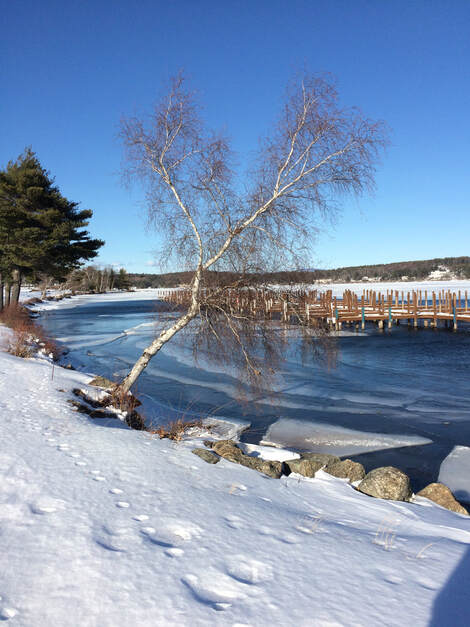 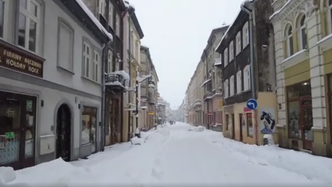 Last minute trip to Przemysl. Last minute trip to Przemysl. I believe the hardest part of any weekend is deciding to get in the car or hop on a train, as opposed to just hanging low and staying home. To say there have been instances over the years where a trip has been canceled last minute, is an understatement. Truly, I can count the number of times I decided to not fly off to a foreign country or drive across state lines for an experience.
I do know one cancellation was due to writing reasons. True story - I was supposed to fly to Latvia for a five day vacation, exploring Riga and some outlying cities. There was a breakup with my long distance girlfriend back in the USA which added to the equation. And yet, part of me really wanted to visit Riga. I had the perfect hotel next to a park that I knew would be ideal for running. I also knew the ambiance with winter in full force would be a good motivator for the writing mood I wanted to embrace. School vacation began and I went home to my apartment in Casale. My flights weren’t until Monday so I had the weekend to just chill. After an amazing long run along the Adriatic coast, I settled in for three hours of writing. Before I knew it three hours became five. I think I wrote close to 5000 words on Saturday for Valo, the third book in the Luza series. Then Sunday came and after a morning writing session I was close to 8500 words. Then it hit me, could I continue the same momentum in Riga or was it going to jar me completely? Talk about a dilemma. Always one to be very firm on limiting distractions, I next deleted my Facebook account and then I made sure the demise of my relationship was finalized. I think I shut off my phone to add to the cocoon effect, not necessarily to increase the drama ten-fold. Sunday evening came and I was in a groove. I was over 13,000 words at this point and torn. You won’t be shocked to learn that in the evening I canceled my hotel and just ate the plane tickets to Riga. Thankfully, Ryanair tickets were not some economic hardship. Sure, $45 is $45, but how many of you burn that on a Sunday brunch? The hotel was another matter. They gave me a partial refund, but I was willing to conceptualize the cost as a donation to the hotel. Good mentality, right? I even went so far as to rationalize that I was paying myself to stay home for the week. Instead of exploring the historic old town of Riga, I dove into the shape shifting and teenage drama of Valo. Aside from My Shenandoah Love, I think this was the fastest first draft written to date. By the end of vacation the novel was complete and I was prepping the final part, Lane. Last year this happened again, not the writing part, but shifting gears last minute. I was supposed to go to Montenegro for five days, but felt worn out and for that matter ill. I had come down with a cold and decided the entire exercise of flying and then driving to the Montenegro coast was not going to be ideal in this late February weather. I committed myself to staying home - again to eat the costs of canceling my trip at the last minute. This time though I woke up on Sunday morning, feeling substantially better. Maybe it was also a relief that I didn’t have to cram onto another plane. By the afternoon, relief became remorse and then my travel bug bit me again as my body felt more recovered. I told myself if I was feeling even better come Monday morning, I would catch a train to Lublin. This was a part of Poland I had yet to visit. On the fly, I decided it would be a two day trip and then we were going to add Chełm as a random third night. Lublin was amazing for me. The weather was wicked - rain and wind made life interesting. The Georgian food was mediocre, but I found the best pizza to date in Poland. I also discovered a street lined with wedding dress shops that rivaled Bialystok. More importantly, I retraced parts of the Jewish experience from the Jewish gate to the old town, onto the old and new cemeteries and onwards to the train tracks where they met their unfortunate demise. I had intentions to carry on to Chełm, but again at the last minute, the morning of, I canceled and went back to Krakow. It was a bit of a detour with six hours of travel, but I wanted to be in my bed for the night. Another day of recovery ensued. True to form, I thought that would be it for the week and I would be staying home, a true staycation for the remainder of my winter vacation. I was, after all, still paying for the Montenegro trip. But when my buddy reached out saying he was flying into Warsaw and then heading onto Ukraine, I felt pulled to catch up in person and help in whatever way I could to get him across the border. We decided Thursday morning about a Friday meetup. I didn’t know what was going to happen, save I had to hop on an early train to Warsaw. I was out of sorts, doing everything spur of the moment, where the train I booked happened to be the Warsaw to Krakow one. Unbeknownst to me, I arrived at 04:00 to the train station and then caught my mistake. Not only did I pay for a ticket I couldn’t use, the bloody train was heading south, not north which just added salt to the wounds. With the rain coming down in buckets, I was at a loss as to whether to return to my apartment or to buy the next ticket to Poland’s capital city. The first train to depart was at 06:15. I didn’t want to just sit and wait with the other travelers in the train station. They were sprawled out on benches and chairs in one big slumber party that was not inviting to say the least. Even with the rain in force, I turned on my video camera and filmed a vlog on what it was like at four in the morning in historic Krakow. I walked from the station to the Rynek and onwards to the river. Even with the crazy drunks making more noise than one would think possible, I made the best of the situation, despite the elements and the fact I knew I just paid another $40 for the correct train ride. Fast forward to meeting up with my friend and another adventure began that entailed a Bla Bla car ride and a late night arrival to a hostel in Lviv, Ukraine. I couldn’t have planned this trip in advance had I tried. And yet, by being flexible and present, this was one of the most entertaining and rewarding weeks that I can remember. It wasn’t just traveling to new places, but listening to where I felt I was better served and needed. I know if I had gone to Montenegro there would have been no meetup and trip to Ukraine. Furthermore, the warm memories I got from Lublin would be nothing but dreams and possibilities. Both trips, the Riga one that left me home in Italy focused on my latest book and this menagerie of cities and countries at the end of February while living in Poland, left lasting impressions. This trip flip flopping continues here in Maine. Even last weekend the trip to Lubec was almost an afterthought. I’m still glad I went even though it was underwhelming. I'm thankful I booked the room for last weekend as opposed to this Saturday. With twenty inches of fresh snow, I would have eaten another non refundable fare and all because I couldn’t check the ten day forecast. I’m curious, are you a trip flip flopper? Do you cancel plans at the last minute to stay home or do you go out regardless even if you don’t feel up to doing so? 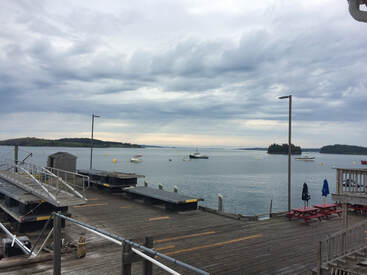 I am always fascinated by how an overnight trip can open one’s eyes to life and what we deem important. In this case, my overnight trip was back to Lubec where I went camping last summer. To say the area is different in the winter and early spring would be more than an understatement. This isn’t a place booming with activity to begin with. Once the warmer weather is taken out of the picture, even the fishermen disappear and what remains active in this small community on the Canadian border is minimal at best. IGA, the local grocery store, is still a mainstay, but aside from getting water views and ambiance, there isn’t much to do or see. Granted, I knew this in advance but I was cautiously optimistic that my hotel, a converted sardine factory, was going to break the trend and provide the same service it does in the summer months, on this Saint Patrick’s Holiday weekend. To begin, this isn’t meant to be a bashing piece. If anything, it’s simply to remind myself and others of the reality we find ourselves in. Or maybe it’s just a reminder on how you need to do better research before undertaking any overnight journey. With a significant amount of international travel now under my belt, I’m always looking for a deal. For that matter, I want a decent experience not only with where I stay, but what I eat, and bonus if the running is good. It was one thing to rent an apartment for one night in Poznan, Poland where I spent under forty dollars for a one bedroom with beautiful views and then jet off to Warsaw the next day for an almost eighty dollar a night room in the center of the city. I understand that Lubec is not a metropolitan center, but don’t let that confuse you on the prices. Seriously, while the rooms are cheaper in the off season ($110+) compared to their summer rate, you more than make up your travel budget in gas and food. I would compare it to taking a cheap Ryanair flight into Paris and then being hosed on the hotel room. You are going to pay one way or another. Still, during the pandemic when I first stayed in Lubec this wasn’t the case. I don’t remember flinching at the food prices or even the hotel where I stayed for a very reasonable price for two nights. On this trip, I wasn’t even in the main building. Strike number one. I should have known better when I was booking, but I didn’t process that the suites were next door in some glorified waterfront homes. Advertised as sound proof and with private decks, neither were true in this scenario. Strike number two. Granted, it’s March, but the deck bare of all furniture made me retreat through my sliding door into a room that was almost maxed out by the king-size bed. I didn’t care that much as I was happy with the water view. If you want to see nature at its best, this is one of those spots where you can just sit and watch the tides come in and out. And yet, with the deck furniture missing, I immediately noticed little things that I expected would have been handled in this “newer” part of their facility. The bathroom sink wouldn’t drain for one. Thank goodness for the shower, right? Seriously, I brushed my teeth while the water was pounding down on me, because it made no sense to watch the water level rise, simply for a few seconds of cleaning the toothbrush. Spoiled by Poland, Jersey, Malta, and other places, I was a bit baffled by the lonely coffee pot with no tea or coffee options. Thanks for the creamer, but where’s an assortment to choose from? This simple addition so common in Poland adds greatly to a weary traveler, especially after a four hour plus drive. Despite the lack of tea, the sink, and the bare deck, I walked over to the hotel anxious to grab some food. I even teased my mother that I would be getting lobster Benedict for breakfast and some lobster stew for lunch. The hundreds of lobster pots on the dock, the stacked chairs, and the lack of cars, made it clear I blew this trip. Not to mention, the fact the management of the hotel called me en route to say the key would be waiting for me in the room, should have been a tell tale sign. Knowing now that there was no physical interaction, I really should have known better. Strike three, four, whatever - this was not going to be a smooth voyage. With the restaurant closed and no other options in Lubec, I either had to go to IGA for some glorified microwavable meals and pay five dollars for an ice cream sandwich (no joke) or venture another forty-five minutes to Eastport for whatever food choices were open in that cosmopolitan center. I’m exaggerating on that one by ten fold, but it is still considered a city, the easternmost one at that. Retreating to my car, we made the journey and I did my best to remain upbeat. Who cares if it meant another 90 minutes of driving and that the restaurants were only open in Eastport from 2pm - 6pm during this slower season. The Happy Crab was the lucky winner of my hungry stomach and also more than eager to take as much money from me as possible. I don’t know if it’s inflation or the fact Eastpost is the final American outpost before you hit Canada, but $46 for six chicken wings, clams, and one adult beverage makes me shudder even now. My lunch was more expensive than three of my stays in Poland. As for food cost, even in Szczecin where I splurged at the Colorado Steakhouse, I still only spent $23 for their wings, a pasta dish, and winter tea. Something is wrong with this picture… truly. Perhaps that’s a greater topic for another day. After digesting my meal, I made the most of my time in Eastport, filmed a vlog, met a pack of deer, and then returned to my waiting room in Lubec. That’s when it truly struck me how this trip was simply a waste of space and time. I loved being able to see the water, but when I saw that the only cars on this isolated and quiet street were in front of the house, the very house I would be staying in, I knew this night was going to be a long one. Outside - absolutely serene. Inside - every single step from the monsters above me could be heard. Dragging furniture, sliding out chairs, just walking, made this introvert cringe and pine for his cottage in central Maine. The light was on in the adjacent room and of course what was likely a regular conversation boomed through the walls, that or the television. To say it was quieter outside is the truth. I wished for warmer weather, to sit on the deck and not feel trapped inside my rented quarters. That’s when it struck me, I drove four plus hours one way simply to go for a run. The peacefulness, the serenity of being on the water, all of it was destroyed by the thunderous steps down the stairs. Instead of making the best of it, I fixated on the cost of the trip, and how I could have been happier with a weekend at home. This was only magnified at 4:40 this morning with a conversation bleeding through the wall and stairwell clanging that served better than any alarm. With the rain washing away my metaphorical tears and cleansing my soul, I fought the morning storm and ran along this border post community, wondering if this run would be my last in this area. Even now, another five hour drive in the books, I think it’s safe to say there won’t be any new trips to that area for the foreseeable future. It might be rash to say, perhaps never again will I visit Lubec or Eastport, especially since I know New Brunswick is right across the bridge and a bit cheaper for comparison sake. For that matter with the ever increasing prices of hotels and food even in central and northern Maine, this adventuring spirit thinks you get more return on your investment saving up and going over to central Europe. At least there I can feel like my money is going farther, even if I had to fork over $450 - $600 for a plane ticket in those non tourist months. What do you think? Is it better to explore new places in your country or get out of Dodge completely? |
Meet Mr. Jon- a traveler at heart who loves a good story and walk. Jonathan has over twenty years experience in independent publishing. While he prides himself on crafting a good story, nothing truly beats an adventure and a camera. Archives
July 2024
Categories |
 RSS Feed